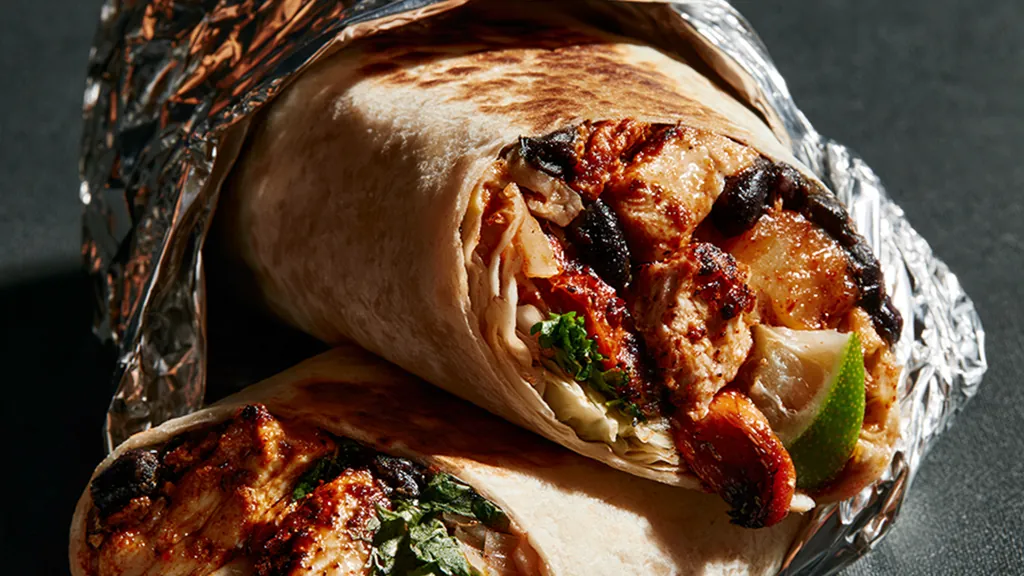
Charred carne asada, adobo al pastor, verde chile chicken and a California burrito with crispy potatoes and avocado: every burrito built on salt, acid, char, crunch and heat, and rolled tight for the ride.
Menu price Mains $10 · Sides $3
Burritos
Sides
Every Sous Chef recipe is designed without dairy, sesame, peanuts and tree nuts; items that contain wheat, egg, soy or mustard say so. Food is prepared by participating restaurant kitchens, so ingredients and cross-contact depend on the preparing restaurant. Customers with food allergies should contact the restaurant before ordering and should not rely solely on this ingredient information.
For restaurant partners
The operating pack.
You can see the operating requirements and estimated economics before you commit. One restaurant runs one Sous Chef brand; this is everything LA BURRITO asks of it.
PIZZA RESTAURANTBest host restaurant
MEDIUMLaunch complexity
NONENew equipment for a best-fit host
5–10 minTypical ticket
$3.30–$5.45Est. variable cost per main
$4.55–$6.70Est. contribution per main before platform fees
Why this brand
Four serious burritos for a pizza, Italian, burger or casual American kitchen. The host already grills chicken and beef, stocks peppers and onions, runs a fryer and an oven and delivers every night; LA BURRITO turns that into a second storefront in a category it does not already sell.
Flavor philosophy
Every burrito is built like a plated dish: char and fat from the grill, salt and umami from the protein and seasoned rice, acid from lime, vinegar and fresh salsa, crunch from cabbage and onion, heat from chile, and a last hit of aroma from cilantro. Nothing tastes like a generic takeout burrito because every element is there on purpose.
Restaurant operations
01 What you need
A cook who can grill, season and roll a tight burrito
Flat-top or grill, oven, rice pot and a burrito rolling station
The batch components below, prepped before service
Foil sheets, labels, side containers, delivery bags
02 Before service
Check the delivery storefront is online and the menu shows all six items
Pull marinated proteins from the walk-in
Cook the rice and heat the beans
Roast the pineapple, peppers and potatoes
Grill and chop the carne asada and the chicken; cook the al pastor
Mix the chile-acid finish; set salsas, cabbage, onion, cilantro and limes at the rolling station
Stock foil, labels, side cups and bags within reach
03 Batch prep
Every batch recipe for this brand, with yields and methods. Ingredients are shared within the brand to keep inventory small; nothing is shared with other brands.
Carne asadaAbout 12 portions of 4.5 oz cooked
Batch yield
About 12 portions of 4.5 oz cooked
Time
15 min active, marinate at least 1 hour
Equipment
Flat-top or grill, Hotel pan, Scale
Used by
La Classic, California
Batch recipe
4 lb flap or skirt steak
½ cup lime juice
¼ cup orange juice
8 garlic cloves, grated
2 tbsp ground ancho or guajillo chile
1 tbsp ground cumin
1 tbsp kosher salt
1 tsp black pepper
¼ cup oil
Method
Trim silverskin. Mix every other ingredient and coat the beef.
Marinate refrigerated for at least 1 hour and no longer than your SOP allows.
Grill or sear on a very hot flat-top for heavy char on both sides. Cook proteins to the internal temperature required by your local health code and verify with a calibrated thermometer.
Rest, then slice against the grain and chop into ½-in. pieces.
Portion 4.5 oz per burrito.
Storage, shelf life and holding: follow your local health code and your restaurant's approved food-safety procedures. Label and date every batch.
Al pastor pork (adobo)About 12 portions of 4 oz cooked
Batch yield
About 12 portions of 4 oz cooked
Time
20 min active, marinate at least 2 hours, 25 min cook
Equipment
Blender, Oven, Sheet pans, Flat-top
Used by
Al Pastor
Batch recipe
5 lb pork shoulder, sliced ¼ in. thick
4 guajillo chiles, toasted and soaked
2 tbsp achiote paste
½ cup pineapple juice or blended pineapple trim
¼ cup white vinegar
6 garlic cloves
1 tbsp dried oregano
1 tsp cumin
1 tbsp kosher salt
1 tbsp sugar
Method
Blend chiles, achiote, pineapple, vinegar, garlic, oregano, cumin, salt and sugar smooth.
Coat the pork and marinate refrigerated at least 2 hours.
Roast on sheet pans at 425°F until edges char, then chop. Finish on the flat-top to order for crisp edges. Cook proteins to the internal temperature required by your local health code and verify with a calibrated thermometer.
Chicken thigh may replace pork with the same marinade.
Storage, shelf life and holding: follow your local health code and your restaurant's approved food-safety procedures. Label and date every batch.
Verde chicken thighAbout 12 portions of 4 oz cooked
Batch yield
About 12 portions of 4 oz cooked
Time
15 min active, 20 min cook
Equipment
Flat-top or grill
Used by
Verde Chile Chicken
Batch recipe
4.5 lb boneless chicken thigh
2 tbsp ground cumin
1 tbsp dried oregano
1 tbsp kosher salt
3 tbsp lime juice
3 tbsp oil
Method
Season the thighs with cumin, oregano, salt, lime and oil.
Grill or sear until well browned. Cook proteins to the internal temperature required by your local health code and verify with a calibrated thermometer.
Chop into ½-in. pieces and portion 4 oz.
Storage, shelf life and holding: follow your local health code and your restaurant's approved food-safety procedures. Label and date every batch.
Seasoned riceAbout 20 portions of 3 oz
Batch yield
About 20 portions of 3 oz
Time
10 min active, 25 min cook
Equipment
Rice pot or rice cooker
Used by
La Classic, Al Pastor, Verde Chile Chicken
Batch recipe
2 lb long-grain rice
2 tbsp oil
½ onion, minced
3 garlic cloves
1 cup crushed tomato
1 tbsp kosher salt
1 tsp cumin
Water per your rice method
Method
Toast the rice in oil until chalky and fragrant.
Add onion and garlic, then tomato, salt and cumin.
Cook covered until tender; fluff and spread to vent steam.
Storage, shelf life and holding: follow your local health code and your restaurant's approved food-safety procedures. Label and date every batch.
Seasoned beans (pinto and black)About 20 portions of 2.5 oz
Batch yield
About 20 portions of 2.5 oz
Time
10 min active
Equipment
Range, Pot
Used by
La Classic, Verde Chile Chicken, California
Batch recipe
Two #10 cans or equivalent cooked pinto and black beans, drained
2 tbsp oil
1 onion, minced
4 garlic cloves
1 tsp cumin
Salt to taste
Method
Sweat onion and garlic in oil; add cumin.
Add drained beans with a splash of their liquid, season, simmer until creamy but not soupy.
Hold pinto and black separately.
Storage, shelf life and holding: follow your local health code and your restaurant's approved food-safety procedures. Label and date every batch.
Fresh salsa (pico de gallo)About 20 portions of 1.5 oz
Batch yield
About 20 portions of 1.5 oz
Time
15 min active
Equipment
Prep table
Used by
La Classic, California
Batch recipe
1.5 lb tomatoes, diced
½ white onion, diced
2 jalapeños, minced
½ bunch cilantro, chopped
3 tbsp lime juice
1½ tsp salt
Method
Combine and season. Drain before using so burritos stay dry.
Make twice a day rather than once.
Storage, shelf life and holding: follow your local health code and your restaurant's approved food-safety procedures. Label and date every batch.
Roasted green chile and tomatillo salsaAbout 20 portions of 1.5 oz
Batch yield
About 20 portions of 1.5 oz
Time
15 min active, 15 min roast
Equipment
Oven or broiler, Blender
Used by
Verde Chile Chicken
Batch recipe
1.5 lb tomatillos, husked
3 poblano or Anaheim chiles
2 jalapeños
½ onion
4 garlic cloves
½ bunch cilantro
2 tbsp lime juice
2 tsp salt
Method
Roast tomatillos, chiles, onion and garlic until blistered.
Blend with cilantro, lime and salt to a thick salsa.
Cool before storing.
Storage, shelf life and holding: follow your local health code and your restaurant's approved food-safety procedures. Label and date every batch.
Roasted pineappleAbout 20 portions of 1.25 oz
Batch yield
About 20 portions of 1.25 oz
Time
10 min active, 15 min roast
Equipment
Oven or flat-top
Used by
Al Pastor
Batch recipe
1 pineapple, peeled and cored
Pinch of salt
Pinch of ground chile
Method
Slice into planks, season lightly, roast or griddle until caramelized at the edges.
Dice ½ in.
Storage, shelf life and holding: follow your local health code and your restaurant's approved food-safety procedures. Label and date every batch.
Charred onionAbout 20 portions of 1 oz
Batch yield
About 20 portions of 1 oz
Time
10 min active
Equipment
Flat-top
Used by
La Classic
Batch recipe
2 white onions, cut in thick rings
1 tbsp oil
Salt
Method
Char hard on the flat-top, then chop.
Storage, shelf life and holding: follow your local health code and your restaurant's approved food-safety procedures. Label and date every batch.
Chile-acid finishAbout 40 portions of 1 tsp
Batch yield
About 40 portions of 1 tsp
Time
5 min active
Equipment
Squeeze bottle
Used by
La Classic, Al Pastor, Cabbage & Charred Corn
Batch recipe
½ cup white vinegar
¼ cup lime juice
2 tbsp ground chile de árbol
1 tsp salt
1 tsp sugar
Method
Whisk together. Shake before each use. Brushed over the protein just before rolling.
Storage, shelf life and holding: follow your local health code and your restaurant's approved food-safety procedures. Label and date every batch.
Crispy seasoned potatoesAbout 12 side portions or 24 burrito portions
Batch yield
About 12 side portions or 24 burrito portions
Time
10 min active, 30 min roast
Equipment
Oven or fryer, Sheet pans
Used by
California, Seasoned Crispy Potatoes
Batch recipe
5 lb russet or Yukon potatoes, ¾-in. dice
¼ cup oil
1 tbsp kosher salt
2 tsp ground chile
1 tsp garlic powder
1 tsp smoked paprika
Method
Par-boil 5 minutes, drain and steam dry.
Toss with oil and seasoning, roast at 450°F until deeply crisp, or fry to order in the fryer.
Crisp again on the flat-top or in the fryer to order.
Storage, shelf life and holding: follow your local health code and your restaurant's approved food-safety procedures. Label and date every batch.
Avocado smashMade to order, 1.5 oz per burrito
Batch yield
Made to order, 1.5 oz per burrito
Time
1 min per order
Equipment
Bowl, fork
Used by
California
Batch recipe
Ripe avocado
Lime juice
Salt
Method
Smash to order with lime and salt; never hold cut avocado through service.
Storage, shelf life and holding: follow your local health code and your restaurant's approved food-safety procedures. Label and date every batch.
04 During service
Reheat proteins to order on the flat-top: never pre-roll burritos
Warm each tortilla until soft and flexible
Build in the order on the ticket card, then finish and roll
Keep the rolling station wiped dry so foil stays clean
Turn off an item on the platform the moment a component runs out
05 Order assembly
Lay the warm tortilla on a clean foil sheet
Rice across the lower third, then beans, then protein
Crunch and freshness on top of the protein: cabbage, onion, salsa, pickled chile
Fold the sides in, roll away from you tightly, tuck as you go
06 Final finish
Squeeze fresh lime over the filling before rolling
Brush or spoon the chile-acid finish over the protein, not the tortilla
Sear the rolled burrito seam-side down on the flat-top to seal it
07 Packaging
Primary container
Foil sheet, rolled tight, seam down
Secondary container
None required
Sauce
Salsas go inside the burrito; no loose sauce cups needed
Venting
Foil is not vented: burritos travel sealed to hold heat
Labeling
Order label on the foil with the item name, for example "LA CLASSIC"
Order identification
Label carries the order number and customer name from the ticket
Spill prevention
Wet components are drained before building so the foil stays dry
Crispy food
Potatoes travel in a vented side box, never inside a sealed cup
08 Quality control
Tortilla warm and flexible, no cracks
Meat browned with visible char, not grey
Rice seasoned and separate, beans seasoned
Acid noticeable on the first bite
Cabbage crisp, not wilted
Burrito tightly rolled, seam sealed, no leakage
Foil labeled and bagged within a minute of rolling
09 Cleanup
Scrape and oil the flat-top at close as usual
Wash marinade containers and sheet pans the same day
Wipe down the rolling station and sanitize per your SOP
Discard cut herbs, cut limes and salsa per your food-safety rules
10 Waste control
High-waste ingredients
Cilantro and cut limes
Pico de gallo (short life once cut)
Avocado once cut
Cooked rice
Low-waste ingredients
Dried chiles and spices
Canned beans and pickled jalapeños
Tortillas (sealed)
Frozen corn
Batch prep
Cook rice in two smaller batches instead of one large batch
Cut pico and avocado twice a day rather than once
Grill carne asada in smaller batches through service
Expected leftover risks
Cooked rice and cut produce at close
Grilled proteins cooked ahead of a slow afternoon
Ways to minimize waste
Start with conservative pars for week one and adjust daily
Pull 4.5 oz chopped asada, 3 oz rice, 2.5 oz pinto beans, 1 oz charred onion.
Set cabbage, drained salsa, cilantro and a lime wedge on the rolling board.
Cooking steps
Reheat asada on a hot flat-top until the edges sizzle again.
Warm the tortilla on the flat-top or steamer until soft and flexible, about 15 seconds a side.
Assembly
Tortilla on a foil sheet. Rice across the lower third, then beans, then asada.
Charred onion, cabbage, drained salsa and cilantro on top of the beef.
Final finish
Squeeze the lime wedge over the filling. Spoon 1 tsp chile-acid finish over the beef.
Roll tight, then sear seam-side down for 20 seconds to seal.
Packaging
Wrap in foil seam-down, twist the ends, label "LA CLASSIC".
Bag immediately with napkins.
Holding guidance
Hold hot and cold components at the temperatures and for the times set by your local health code and your restaurant's approved food-safety procedures. Label and date every batch. Discard according to your SOP.
Delivery performance
Delivery target
Designed to arrive hot, sealed and intact.
Expected texture after delivery
Tortilla soft and pliable; cabbage still crisp inside.
Sauce handling
Salsa is inside and drained, so nothing pools.
Crispness
Not a crisp item.
Heat retention
Foil holds heat; expected to stay warm for a typical delivery window, which depends on delivery time.
Leak risk
Low when salsa and beans are drained.
Recommended packaging
One foil-wrapped burrito, label on the foil, in a bag.
Quality control
Asada charred at the edges, not grey
Rice seasoned and beans seasoned
Lime and vinegar noticeable on the first bite
Cabbage crisp
Rolled tight, seam sealed, no leakage
Cleanup
Scrape the flat-top between rushes
Wipe the rolling station dry between orders
Waste control
Asada is the costliest component: grill in small batches
Drain and reuse salsa within the same shift only
Allergens
Contains
Wheat
Designed without
Milk, Egg, Soy, Fish, Shellfish, Peanuts, Tree Nuts, Sesame
Designed without the allergens listed. Purchased ingredients and shared equipment in the host kitchen can introduce cross-contact: verify with the preparing restaurant.
Cost breakdown by ingredient and packaging
Line
Portion
Est. cost
Beef for carne asada (flap or skirt)
5.5 oz
$2.41–$3.27
Flour tortilla, 13 in., lard-free
1
$0.30–$0.45
Rice, cooked weight (long-grain or jasmine)
3 oz
$0.07–$0.10
Pinto or black beans, cooked or canned
2.5 oz
$0.11–$0.16
Onion
1.2 oz
$0.04–$0.07
Cabbage
1 oz
$0.03–$0.05
Fresh salsa (pico de gallo), house batch
1.5 oz
$0.14–$0.23
Fresh herbs (cilantro, scallion, mint)
portion
$0.06–$0.12
Lime or lemon
portion
$0.08–$0.15
Vinegar
portion
$0.02–$0.05
Salt, pepper and dried spices
portion
$0.04–$0.09
Foil burrito sheet
$0.04–$0.07
Order label
$0.02–$0.04
Delivery bag (per order)
$0.10–$0.20
Napkins (per order)
$0.02–$0.04
LB-02Al Pastor
Adobo-marinated pork with crisp charred edges, roasted pineapple, seasoned rice, onion, cabbage and cilantro, finished with lime, vinegar and chile. Deep chile and char, balanced by fruit and acid.
Flavor architecture
Salt
Adobo marinade
Acid
Vinegar in the adobo, lime and the chile-acid finish
Fat
Pork shoulder, crisped on the flat-top
Umami
Guajillo, achiote and caramelized pork
Sweet
Roasted pineapple, kept to a small dice so it balances rather than sweetens
Heat
Guajillo in the adobo and chile de árbol in the finish
Texture
Crisp pork edges, soft rice, crisp raw onion and cabbage
Aroma
Achiote, oregano and charred pineapple
Menu price$10.00
Ingredient cost$1.55–$2.45
Packaging cost$0.15–$0.35
Incremental labor$0.65–$1.30
Total variable cost$2.35–$4.10
Contribution before platform fees$5.90–$7.65
Contribution margin before platform fees59%–76%
Illustrative estimate. Before delivery-platform fees and the Sous Chef 15% share.
Pull 4 oz roasted al pastor, 1.25 oz diced pineapple, 2.5 oz rice.
Set onion, cabbage, cilantro and lime on the board.
Cooking steps
Crisp the pork on a hot flat-top until the edges caramelize; add the pineapple for the last 20 seconds.
Warm the tortilla until flexible.
Assembly
Rice across the lower third, then pork and pineapple.
Onion, cabbage and cilantro on top.
Final finish
Lime over the filling and 1 tsp chile-acid finish over the pork.
Roll tight and sear the seam.
Packaging
Foil wrap, label "AL PASTOR", bag immediately.
Holding guidance
Hold hot and cold components at the temperatures and for the times set by your local health code and your restaurant's approved food-safety procedures. Label and date every batch. Discard according to your SOP.
Delivery performance
Delivery target
Designed to arrive hot and sealed.
Expected texture after delivery
Pork edges soften slightly in transit but keep their char flavor.
Sauce handling
No loose sauce: the adobo is cooked onto the pork.
Crispness
Pork crispness is expected to soften in the foil.
Heat retention
Foil holds heat; depends on delivery time.
Leak risk
Low.
Recommended packaging
One foil-wrapped burrito in a bag.
Quality control
Pork edges caramelized
Pineapple diced small and caramelized, not wet
Chile, acid and fruit all noticeable, not sugary
Rolled tight, no leakage
Cleanup
Soak adobo sheet pans promptly: achiote stains
Wipe the flat-top after crisping
Waste control
Use pineapple trim in the adobo marinade
Roast pork in two batches on slower days
Allergens
Contains
Wheat
Designed without
Milk, Egg, Soy, Fish, Shellfish, Peanuts, Tree Nuts, Sesame
Designed without the allergens listed. Purchased ingredients and shared equipment in the host kitchen can introduce cross-contact: verify with the preparing restaurant.
Cost breakdown by ingredient and packaging
Line
Portion
Est. cost
Pork shoulder, boneless
5 oz
$0.78–$1.09
Flour tortilla, 13 in., lard-free
1
$0.30–$0.45
Pineapple, usable flesh
1.5 oz
$0.17–$0.26
Rice, cooked weight (long-grain or jasmine)
2.5 oz
$0.06–$0.09
Onion
0.75 oz
$0.03–$0.04
Cabbage
1 oz
$0.03–$0.05
Fresh herbs (cilantro, scallion, mint)
portion
$0.06–$0.12
Lime or lemon
portion
$0.08–$0.15
Vinegar
portion
$0.02–$0.05
Dried chiles and chile flakes
portion
$0.06–$0.12
Foil burrito sheet
$0.04–$0.07
Order label
$0.02–$0.04
Delivery bag (per order)
$0.10–$0.20
Napkins (per order)
$0.02–$0.04
LB-03Verde Chile Chicken
Grilled chicken thigh in roasted green chile and tomatillo salsa, with rice, black beans, roasted peppers, cabbage, cilantro and pickled jalapeño, finished with lime. Roasted, green, tangy and spicy.
Flavor architecture
Salt
Seasoned chicken, rice and beans
Acid
Tomatillo salsa, pickled jalapeño and lime
Fat
Chicken thigh
Umami
Seared chicken and roasted chiles
Sweet
Roasted peppers
Heat
Roasted green chile, jalapeño in the salsa, pickled jalapeño
Texture
Tender chicken, crisp cabbage, pop of pickled chile
Aroma
Roasted green chile and cilantro
Menu price$10.00
Ingredient cost$1.80–$2.70
Packaging cost$0.15–$0.35
Incremental labor$0.65–$1.30
Total variable cost$2.60–$4.35
Contribution before platform fees$5.65–$7.40
Contribution margin before platform fees56%–74%
Illustrative estimate. Before delivery-platform fees and the Sous Chef 15% share.
Pull 4 oz chopped chicken, 1.5 oz salsa verde, 3 oz rice, 2 oz black beans, 1 oz roasted peppers.
Cooking steps
Toss the chicken with the salsa verde in a hot pan until glossy and hot, not wet.
Warm the tortilla.
Assembly
Rice, then beans, then the verde chicken, then peppers, cabbage, pickled jalapeño and cilantro.
Final finish
Lime over the filling. Roll tight and sear the seam.
Packaging
Foil wrap, label "VERDE", bag immediately.
Holding guidance
Hold hot and cold components at the temperatures and for the times set by your local health code and your restaurant's approved food-safety procedures. Label and date every batch. Discard according to your SOP.
Delivery performance
Delivery target
Designed to arrive hot and sealed.
Expected texture after delivery
Chicken stays moist; cabbage stays crisp.
Sauce handling
Salsa is reduced onto the chicken so it clings instead of pooling.
Crispness
Not a crisp item.
Heat retention
Foil holds heat; depends on delivery time.
Leak risk
Low if the salsa is reduced onto the chicken; medium if it is added loose.
Recommended packaging
One foil-wrapped burrito in a bag.
Quality control
Chicken browned before saucing
Salsa clings to the chicken, no puddle
Green chile flavor and acid noticeable
Pickled jalapeño present
No leakage
Cleanup
Wash the salsa pan between batches
Waste control
Salsa verde keeps better than pico: make it once a day
Allergens
Contains
Wheat
Designed without
Milk, Egg, Soy, Fish, Shellfish, Peanuts, Tree Nuts, Sesame
Designed without the allergens listed. Purchased ingredients and shared equipment in the host kitchen can introduce cross-contact: verify with the preparing restaurant.
Cost breakdown by ingredient and packaging
Line
Portion
Est. cost
Chicken thigh, boneless skinless
5 oz
$0.86–$1.17
Flour tortilla, 13 in., lard-free
1
$0.30–$0.45
Roasted green chile and tomatillo salsa, house batch
1.5 oz
$0.15–$0.23
Rice, cooked weight (long-grain or jasmine)
3 oz
$0.07–$0.10
Pinto or black beans, cooked or canned
2 oz
$0.09–$0.13
Bell or poblano peppers
1.2 oz
$0.14–$0.20
Cabbage
1 oz
$0.03–$0.05
Pickled jalapeños, canned
0.5 oz
$0.05–$0.07
Fresh herbs (cilantro, scallion, mint)
portion
$0.06–$0.12
Lime or lemon
portion
$0.08–$0.15
Foil burrito sheet
$0.04–$0.07
Order label
$0.02–$0.04
Delivery bag (per order)
$0.10–$0.20
Napkins (per order)
$0.02–$0.04
LB-04California
Carne asada and crispy potatoes with pinto beans, fresh avocado, cabbage, salsa and pickled jalapeño, finished with lime. Rich, salty, crispy, creamy and bright.
Flavor architecture
Salt
Asada, seasoned potatoes and beans
Acid
Fresh salsa, pickled jalapeño and lime
Fat
Avocado and grilled beef
Umami
Charred beef
Sweet
Roasted potato edges
Heat
Pickled jalapeño and jalapeño in the salsa
Texture
Crispy potatoes and crisp cabbage against creamy avocado
Aroma
Grill char and lime
Menu price$10.00
Ingredient cost$3.45–$5.05
Packaging cost$0.15–$0.35
Incremental labor$0.80–$1.50
Total variable cost$4.40–$6.90
Contribution before platform fees$3.10–$5.60
Contribution margin before platform fees31%–56%
Illustrative estimate. Before delivery-platform fees and the Sous Chef 15% share.
Exact portion
Carne asada, cooked
4.5 oz
Flour tortilla, 13 in.
1
Crispy potatoes
3 oz
Pinto beans
2 oz
Avocado smash
1.5 oz
Cabbage, shredded
0.75 oz
Fresh salsa
1 oz
Pickled jalapeño
0.5 oz
Lime
1 wedge
Oil and seasoning
as needed
Batch recipes used
Carne asadaYield: About 12 portions of 4.5 oz cooked
Avocado smashYield: Made to order, 1.5 oz per burrito
Time, labor and equipment
Prep time
About 2.5 min per order
Cook time
2 min to crisp potatoes and reheat asada
Active labor
About 3 to 4 minutes per order
Equipment
Flat-top or grill, Oven or fryer, Rolling station
Prep steps
Pull 4.5 oz asada, 3 oz roasted potatoes, 2 oz pinto beans. Smash 1.5 oz avocado with lime and salt to order.
Cooking steps
Re-crisp the potatoes on the flat-top or in the fryer. Reheat the asada. Warm the tortilla.
Assembly
Beans, then potatoes, then asada. Avocado smash, cabbage, drained salsa and pickled jalapeño on top.
Final finish
Lime over the filling. Roll tight, sear the seam.
Packaging
Foil wrap, label "CALIFORNIA", bag immediately.
Holding guidance
Hold hot and cold components at the temperatures and for the times set by your local health code and your restaurant's approved food-safety procedures. Label and date every batch. Discard according to your SOP.
Delivery performance
Delivery target
Designed to arrive hot and sealed.
Expected texture after delivery
Potatoes soften at the edges inside the foil; the fried-crisp center is expected to hold better than roasted.
Sauce handling
No loose sauce.
Crispness
Potatoes are the crisp element; crisp them hard so they survive the foil.
Heat retention
Foil holds heat; depends on delivery time.
Leak risk
Low.
Recommended packaging
One foil-wrapped burrito in a bag.
Quality control
Potatoes crisp and seasoned before rolling
Avocado bright green, smashed to order
Salt, acid and heat all present
Rolled tight, no leakage
Cleanup
Filter or skim fryer oil on your normal schedule if frying the potatoes
Waste control
Never cut avocado ahead of service
Potatoes can be roasted in two smaller batches
Allergens
Contains
Wheat
Designed without
Milk, Egg, Soy, Fish, Shellfish, Peanuts, Tree Nuts, Sesame
Designed without the allergens listed. Purchased ingredients and shared equipment in the host kitchen can introduce cross-contact: verify with the preparing restaurant.
Cost breakdown by ingredient and packaging
Line
Portion
Est. cost
Beef for carne asada (flap or skirt)
5.5 oz
$2.41–$3.27
Flour tortilla, 13 in., lard-free
1
$0.30–$0.45
Potatoes, raw
3.5 oz
$0.12–$0.20
Pinto or black beans, cooked or canned
2 oz
$0.09–$0.13
Avocado flesh
1.5 oz
$0.27–$0.48
Cabbage
0.75 oz
$0.03–$0.04
Fresh salsa (pico de gallo), house batch
1 oz
$0.09–$0.15
Pickled jalapeños, canned
0.5 oz
$0.05–$0.07
Lime or lemon
portion
$0.08–$0.15
Cooking oil
portion
$0.04–$0.08
Foil burrito sheet
$0.04–$0.07
Order label
$0.02–$0.04
Delivery bag (per order)
$0.10–$0.20
Napkins (per order)
$0.02–$0.04
LB-05Seasoned Crispy Potatoes
Crisp roasted potatoes tossed with chile salt, garlic and smoked paprika, finished with lime.
Flavor architecture
Salt
Chile salt
Acid
Lime squeezed at the pass
Fat
Roasting or frying oil
Umami
Browned potato edges
Sweet
Smoked paprika
Heat
Ground chile
Texture
Crisp outside, fluffy inside
Aroma
Smoked paprika and garlic
Menu price$3.00
Ingredient cost$0.45–$0.85
Packaging cost$0.10–$0.20
Incremental labor$0.25–$0.55
Total variable cost$0.80–$1.60
Contribution before platform fees$1.40–$2.20
Contribution margin before platform fees47%–73%
Illustrative estimate. Before delivery-platform fees and the Sous Chef 15% share.
Re-crisp on the flat-top or in the fryer until they crackle.
Assembly
Toss with chile salt in a dry bowl.
Final finish
Squeeze lime over just before closing the box.
Packaging
Vented side box, never a sealed cup. Pack beside the burrito, not under it.
Holding guidance
Hold hot and cold components at the temperatures and for the times set by your local health code and your restaurant's approved food-safety procedures. Label and date every batch. Discard according to your SOP.
Delivery performance
Delivery target
Designed to arrive crisp at the edges.
Expected texture after delivery
Expected to soften somewhat; the vented box helps.
Sauce handling
No sauce.
Crispness
Vent the box and pack on top of the bag.
Heat retention
Warm, not piping hot, on a typical delivery.
Leak risk
None.
Recommended packaging
Vented side box in the burrito bag.
Quality control
Deep golden color
Seasoned all over
Crisp when shaken in the box
Cleanup
Wash sheet pans daily
Waste control
Roast in two smaller batches
Allergens
Contains
None of the major allergens
Designed without
Milk, Egg, Wheat, Soy, Fish, Shellfish, Peanuts, Tree Nuts, Sesame
Designed without the allergens listed. Purchased ingredients and shared equipment in the host kitchen can introduce cross-contact: verify with the preparing restaurant.
Cost breakdown by ingredient and packaging
Line
Portion
Est. cost
Potatoes, raw
7.5 oz
$0.26–$0.42
Salt, pepper and dried spices
portion
$0.04–$0.09
Lime or lemon
portion
$0.08–$0.15
Fryer oil allowance
portion
$0.08–$0.15
Vented side box
$0.10–$0.16
LB-06Cabbage & Charred Corn
Crisp cabbage and griddle-charred corn with cilantro, lime, vinegar and chile.
Flavor architecture
Salt
Salt in the dressing
Acid
Lime and vinegar
Fat
A little oil from charring the corn
Umami
Charred corn
Sweet
Sweet corn
Heat
Ground chile
Texture
Crunchy cabbage and chewy charred corn
Aroma
Cilantro and char
Menu price$3.00
Ingredient cost$0.45–$0.80
Packaging cost$0.10–$0.25
Incremental labor$0.10–$0.40
Total variable cost$0.65–$1.45
Contribution before platform fees$1.55–$2.35
Contribution margin before platform fees52%–78%
Illustrative estimate. Before delivery-platform fees and the Sous Chef 15% share.
Char corn hard on the flat-top in batches and cool it.
Shred cabbage.
Cooking steps
None to order.
Assembly
Toss cabbage and corn with cilantro, lime, a splash of vinegar, chile and salt.
Final finish
Dress to order so the cabbage stays crisp.
Packaging
Side container with lid, packed upright.
Holding guidance
Hold hot and cold components at the temperatures and for the times set by your local health code and your restaurant's approved food-safety procedures. Label and date every batch. Discard according to your SOP.
Delivery performance
Delivery target
Designed to arrive cold and crunchy.
Expected texture after delivery
Cabbage stays crisp because it is dressed to order.
Sauce handling
Dressing is light; no pooling.
Crispness
Crunch comes from the raw cabbage.
Heat retention
Cold item: pack away from hot food if possible.
Leak risk
Low with a secure lid.
Recommended packaging
Lidded side container.
Quality control
Corn visibly charred
Cabbage crisp
Bright acid
Cleanup
Wipe the flat-top after charring
Waste control
Char corn once a day; it keeps better than cut herbs
Allergens
Contains
None of the major allergens
Designed without
Milk, Egg, Wheat, Soy, Fish, Shellfish, Peanuts, Tree Nuts, Sesame
Designed without the allergens listed. Purchased ingredients and shared equipment in the host kitchen can introduce cross-contact: verify with the preparing restaurant.
Illustrative estimate. Actual costs vary by supplier, market, portion size, labor rates, waste, packaging and restaurant operation. Contribution is before delivery-platform fees and before the Sous Chef 15% share of net delivery sales. How we estimate costs.
Brand economics
$10.00Average main price
$2.50–$3.75Food cost range
$0.15–$0.35Packaging range
$0.65–$1.35Incremental labor range
$3.30–$5.45Variable cost range
$4.55–$6.70Contribution before platform fees
Illustrative scenario
Scenario
Daily gross sales
Monthly gross sales (30 days)
Est. monthly variable costs
Est. monthly contribution before platform fees
10 orders a day
$100.00
$3,000
$990–$1,635
$1,365–$2,010
25 orders a day
$250.00
$7,500
$2,475–$4,088
$3,412–$5,025
50 orders a day
$500.00
$15,000
$4,950–$8,175
$6,825–$10,050
Daily gross sales
Monthly gross sales
Est. monthly variable costs
Est. monthly contribution before platform fees
ILLUSTRATIVE SCENARIO. Each order is assumed to be one main at the brand's average price; sides would add sales and cost. These are not forecasts: Sous Chef does not know and does not promise how many orders any restaurant will receive. Results depend on local demand, order volume, capacity, labor, ingredient costs, platform fees, pricing, waste and execution.
Launch cost
One-time launch costs
Item
Estimate
Notes
Initial ingredient inventory
$180–$320
Proteins, tortillas, rice, beans, produce and spices for the first few days of pars.
Initial packaging stock
$120–$240
Foil sheets, labels, side cups and lids, bags: first case quantities.
Labels and print
$25–$75
Order labels and a printed station card.
Training
$60–$180
About 2 to 4 staff hours plus a manager walkthrough, at $16 to $22 an hour, plus test food.
Optional small equipment
$0–$120
Portion scoops, squeeze bottles or a tortilla warmer if not already owned.
Estimated launch cost
$385–$935
Ongoing costs
Ingredients: $2.50–$3.75 per average main
Packaging: $0.15–$0.35 per order
Incremental labor: $0.65–$1.35 per order
Delivery-platform commission and fees, per your agreement with the platform
Sous Chef share: 15% of net delivery sales, invoiced monthly
No setup fee, subscription or minimum
Equipment required
Flat-top, grill or large sauté pan
Oven (roasting pineapple, peppers and potatoes)
Rice pot or rice cooker
Refrigeration
Prep table, cutting boards, hotel pans
Optional equipment
Fryer (crispier potatoes)
Tortilla warmer or steamer
Portion scale
What a best-fit host probably already owns
Flat-top or grill
Oven
Rice pot or rice cooker
Refrigeration
Hotel pans and prep tools
Illustrative estimate. Actual costs vary by supplier, market, portion size, labor rates, waste, packaging and restaurant operation.
Host restaurant fit
Best fit
Pizza restaurant
Italian restaurant
American grill
Burger restaurant
Casual American restaurant
Good fit
Chicken restaurant
Chinese or Asian restaurant with a flat-top or grill
Sports bar with a grill
Poor fit
Mexican restaurant or taqueria (the menus overlap)
Kitchen with no flat-top, grill or range
Bakery or coffee-only cafe
These kitchens already cook chicken and beef on a grill or flat-top, stock peppers, onions and often cabbage, own a fryer and an oven, and run delivery. Burritos are a different category, so the brand adds orders instead of competing with the host's own menu.
Existing equipment likely available
Flat-top or grill
Oven
Fryer
Range and sauté pans
Refrigeration
Prep table
Existing ingredients likely available
Chicken
Beef
Peppers
Onions
Tomatoes
Potatoes
Garlic
Limes or lemons
New ingredients required
Flour tortillas
Rice
Pinto and black beans
Dried chiles (guajillo, árbol) and achiote
Pork shoulder (or use chicken thigh for the al pastor)
Tomatillos and poblanos
Cilantro
Avocados
Canned pickled jalapeños
Fresh pineapple
New equipment required
None for a kitchen with a flat-top or grill and an oven
New prep required
Carne asada marinade
Adobo for the al pastor
Seasoned rice and beans
Fresh salsa and salsa verde
Chile-acid finish
Burrito rolling and foil wrapping
Storage requirement
About two full-size hotel pans of refrigerated space for marinating proteins, third-pans for rice, beans, salsas and garnishes, and dry storage for tortillas and dried chiles.
Training requirement
About 3 to 5 hours: the burrito builds, the salsas and marinades, portion control and the rolling and foil standard.
Estimated launch complexity
MEDIUM. The equipment is already there. The new work is a Mexican pantry (tortillas, rice, beans, chiles) and the rolling technique.
Packaging
Primary container
Foil sheet, rolled tight, seam down
Secondary container
None required
Sauce container
Salsas go inside the burrito; no loose sauce cups needed
Venting
Foil is not vented: burritos travel sealed to hold heat
Labeling
Order label on the foil with the item name, for example "LA CLASSIC"
Order identification
Label carries the order number and customer name from the ticket
Spill prevention
Wet components are drained before building so the foil stays dry
Crispy-food handling
Potatoes travel in a vented side box, never inside a sealed cup
Estimated packaging per order: $0.15–$0.35 for a main with its bag, napkins and utensils. A side adds only its container. No custom packaging or stickers are required at launch.
Allergens and food safety
Item
Wheat
Egg
Soy
Mustard
Milk
La Classic
Contains
—
—
—
—
Al Pastor
Contains
—
—
—
—
Verde Chile Chicken
Contains
—
—
—
—
California
Contains
—
—
—
—
Seasoned Crispy Potatoes
—
—
—
—
—
Cabbage & Charred Corn
—
—
—
—
—
Every item is designed without dairy, sesame, peanuts and tree nuts unless it says “may contain”. That is a recipe design, not an allergy-safe claim: purchased ingredients and shared equipment in the host kitchen can introduce cross-contact. Verify every label.
Sous Chef provides
Recipes
Preparation instructions
Allergen information
Operational documentation
Quality standards
The host restaurant remains responsible for
Local health code
Food temperatures
Employee hygiene
Cross-contact prevention
Storage
Sanitation
Approved food-safety procedures
HACCP where applicable
Follow applicable local health code and your restaurant's approved food-safety procedures. Sous Chef does not publish holding times or holding temperatures.
Brand FAQ
Can I use pork or chicken for the al pastor?
Pork shoulder is the spec. Chicken thigh in the same adobo is an approved operational alternative; tell Sous Chef so the storefront description matches.
Can I use my own salsa?
Only after Sous Chef reviews the recipe and its allergens, so every LA BURRITO tastes the same and the allergen information stays accurate.
Do the burritos contain dairy?
No. The recipes use no cheese, sour cream or crema. Check your tortilla label: some flour tortillas contain milk.
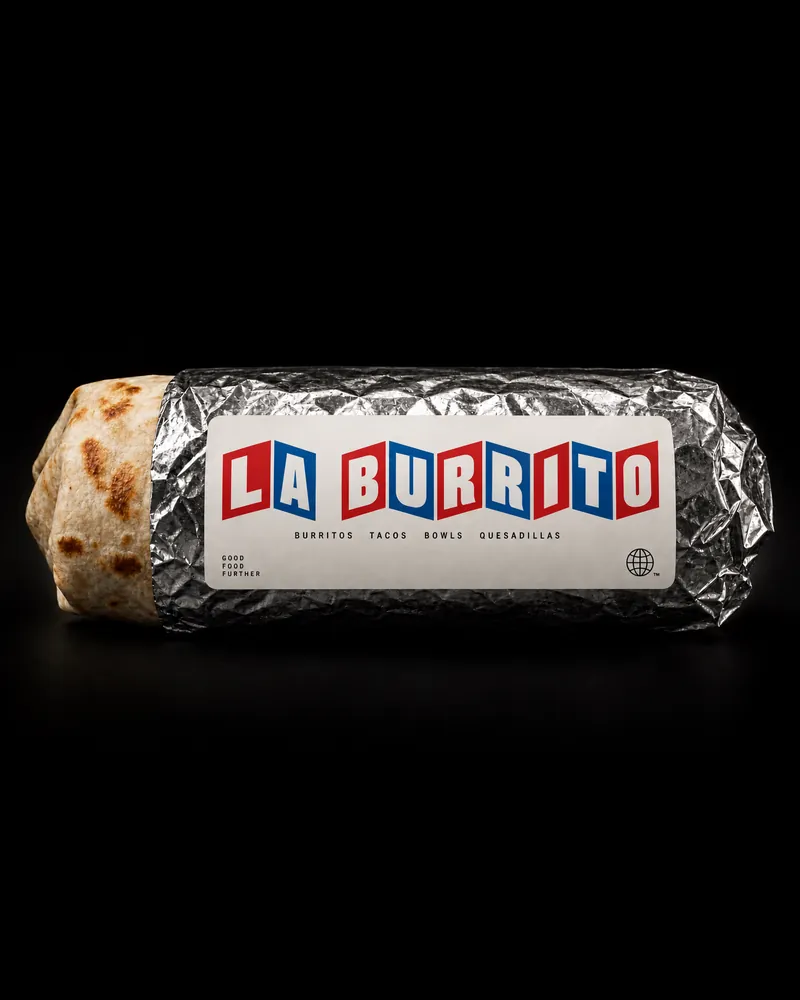
LA BURRITO launches in high-quality generic delivery packaging: securely closed, vented where needed, leak-resistant and without unnecessary plastic. No custom packaging or Sous Chef stickers are required at launch. The photograph shows the branded packaging direction.