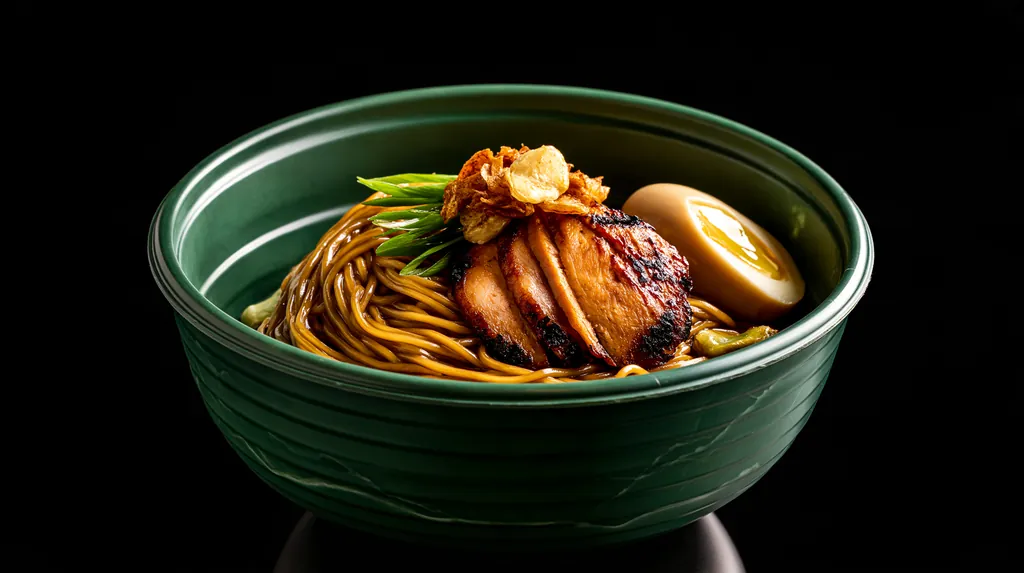
Wok-tossed noodles built on soy, black vinegar, chili-garlic oil, ginger and scallion, seared hard and packed straight away.
Menu price Mains $10 · Sides $3
Noodles
Sides
Every Sous Chef recipe is designed without dairy, sesame, peanuts and tree nuts; items that contain wheat, egg, soy or mustard say so. Food is prepared by participating restaurant kitchens, so ingredients and cross-contact depend on the preparing restaurant. Customers with food allergies should contact the restaurant before ordering and should not rely solely on this ingredient information.
For restaurant partners
The operating pack.
You can see the operating requirements and estimated economics before you commit. One restaurant runs one Sous Chef brand; this is everything Jade Noodle asks of it.
BURGER RESTAURANTBest host restaurant
MEDIUMLaunch complexity
NONENew equipment for a best-fit host
6–10 minTypical ticket
$2.85–$4.85Est. variable cost per main
$5.15–$7.15Est. contribution per main before platform fees
Why this brand
Wok-tossed noodles for a burger restaurant, American grill, chicken restaurant or sports bar. The host already has chicken, beef, vegetables, a range and delivery; Jade Noodle adds a noodle category it does not sell today.
Flavor philosophy
Wok heat does most of the work: seared protein, blistered vegetables and noodles that pick up a little char. Then each bowl is balanced deliberately: soy for salt and umami, black or rice vinegar for acid, chile oil for fat and heat, a touch of sugar to round it, and garlic, ginger or scallion for aroma.
Restaurant operations
01 What you need
A cook who can work a wok
A free burner during service
The batch sauces and portioned proteins below
Fiber noodle bowls with lids, side cups, labels, bags, utensils
02 Before service
Check the storefront is online
Portion noodles; par-cook if using dried noodles
Slice and marinate chicken and beef; cube and crisp tofu
Cut broccoli, slice cabbage and cucumber, chop scallion
Make or check chili-garlic oil, orange sauce and ginger-scallion sauce
Stock bowls, lids, labels, utensils and bags
03 Batch prep
Every batch recipe for this brand, with yields and methods. Ingredients are shared within the brand to keep inventory small; nothing is shared with other brands.
Chili-garlic oilAbout 30 portions of 2 tsp
Batch yield
About 30 portions of 2 tsp
Time
15 min active
Equipment
Range, Heatproof container
Used by
Chili Garlic Noodles, Ginger Tofu Noodles, Smashed Cucumber & Chile
Batch recipe
1 cup neutral oil
⅓ cup chile flakes
12 garlic cloves, minced
2 tsp salt
1 tbsp sugar
Method
Heat the oil until shimmering. Pour over chile flakes and garlic in a heatproof container.
Stir in salt and sugar. Cool, label and date.
Storage, shelf life and holding: follow your local health code and your restaurant's approved food-safety procedures. Label and date every batch.
Soy-vinegar noodle sauceAbout 20 portions of 1.5 oz
Batch yield
About 20 portions of 1.5 oz
Time
5 min active
Equipment
Squeeze bottle
Used by
Chili Garlic Noodles, Beef & Broccoli Noodles, Ginger Tofu Noodles
Batch recipe
1 cup soy sauce
½ cup black vinegar or rice vinegar
¼ cup sugar
2 tbsp grated garlic
½ cup water
Method
Whisk until the sugar dissolves. Bottle, label and date.
Storage, shelf life and holding: follow your local health code and your restaurant's approved food-safety procedures. Label and date every batch.
Orange sauceAbout 16 portions of 1.5 oz
Batch yield
About 16 portions of 1.5 oz
Time
15 min active
Equipment
Range
Used by
Orange Chicken Noodles
Batch recipe
2 cups orange juice
Zest of 2 oranges
½ cup soy sauce
¼ cup rice vinegar
¼ cup sugar
2 tbsp grated ginger
2 tbsp grated garlic
6 dried chiles
2 tbsp cornstarch in ¼ cup water
Method
Simmer everything except the cornstarch for 5 minutes.
Thicken with the slurry until it coats a spoon. Cool, label and date.
Storage, shelf life and holding: follow your local health code and your restaurant's approved food-safety procedures. Label and date every batch.
Ginger-scallion sauceAbout 20 portions of 2 tbsp
Batch yield
About 20 portions of 2 tbsp
Time
10 min active
Equipment
Range
Used by
Ginger Tofu Noodles
Batch recipe
1 cup scallion, sliced thin
½ cup ginger, finely minced
1 tsp salt
¾ cup neutral oil, heated
Method
Pour hot oil over scallion, ginger and salt. Stir, cool, label and date.
Storage, shelf life and holding: follow your local health code and your restaurant's approved food-safety procedures. Label and date every batch.
Crisp chicken thighAbout 10 portions of 4 oz
Batch yield
About 10 portions of 4 oz
Time
15 min active
Equipment
Range, Wok
Used by
Orange Chicken Noodles
Batch recipe
2.5 lb chicken thigh, cut in 1-in. pieces
2 tbsp soy sauce
1 tbsp rice vinegar
½ cup cornstarch
Method
Toss chicken with soy and vinegar, then cornstarch.
Keep refrigerated; pan-fry to order until crisp and fully cooked. Cook proteins to the internal temperature required by your local health code and verify with a calibrated thermometer.
Storage, shelf life and holding: follow your local health code and your restaurant's approved food-safety procedures. Label and date every batch.
Velveted beefAbout 10 portions of 3.5 oz
Batch yield
About 10 portions of 3.5 oz
Time
15 min active, 20 min rest
Equipment
Wok
Used by
Beef & Broccoli Noodles
Batch recipe
2.5 lb flank or sirloin, sliced thin against the grain
1 tsp baking soda
2 tbsp soy sauce
1 tbsp cornstarch
1 tbsp oil
Method
Toss beef with baking soda, soy, cornstarch and oil. Rest 20 minutes refrigerated.
Sear to order in a very hot wok. Cook proteins to the internal temperature required by your local health code and verify with a calibrated thermometer.
Storage, shelf life and holding: follow your local health code and your restaurant's approved food-safety procedures. Label and date every batch.
Crispy tofuAbout 8 portions of 5 oz
Batch yield
About 8 portions of 5 oz
Time
15 min active
Equipment
Wok or sauté pan
Used by
Ginger Tofu Noodles
Batch recipe
3 lb extra-firm tofu
½ cup cornstarch
1 tsp salt
Method
Press, cube and toss with cornstarch and salt.
Pan-fry in batches until crisp on all sides.
Storage, shelf life and holding: follow your local health code and your restaurant's approved food-safety procedures. Label and date every batch.
Smashed cucumber dressingAbout 12 portions
Batch yield
About 12 portions
Time
5 min active
Equipment
Squeeze bottle
Used by
Smashed Cucumber & Chile
Batch recipe
½ cup rice vinegar
2 tbsp sugar
2 tsp salt
4 garlic cloves, grated
2 tbsp chili-garlic oil
Method
Whisk. Dress smashed cucumbers to order.
Storage, shelf life and holding: follow your local health code and your restaurant's approved food-safety procedures. Label and date every batch.
04 During service
Cook each order in its own wok load: never batch-toss noodles
Keep a pot of water at a rolling boil for noodles
Wipe or rinse the wok between orders
Turn off items on the platform if a protein or sauce runs out
05 Order assembly
Sear protein first and set aside
Blister vegetables and aromatics
Noodles and sauce in, toss until coated
Protein back in, toss once more
06 Final finish
Off the heat: vinegar or citrus
Top with scallion or chili-garlic oil as listed
07 Packaging
Primary container
Molded fiber noodle bowl with fiber lid
Secondary container
Lidded side cup for cucumber; vented side box for crispy broccoli
Sauce
Sauce is tossed through the noodles; no loose sauce cups
Venting
Crack the lid vent on hot bowls so steam does not soften the noodles
Labeling
Item name on the lid
Order identification
Order number and customer name
Spill prevention
Do not overfill: leave a finger of space under the lid
Crispy food
Crispy broccoli in its own vented box
08 Quality control
Noodles chewy, not mushy, not clumped
Protein seared with color
Vegetables bright and crisp-tender
Sauce coats the noodles with no puddle in the bowl
Acid noticeable at the finish
09 Cleanup
Clean and season the woks at close
Wash sauce bottles weekly or per your SOP
Sanitize cutting boards used for raw proteins
10 Waste control
High-waste ingredients
Cooked noodles held too long
Sliced scallion
Cut cucumber
Low-waste ingredients
Dried noodles
Soy sauce, vinegar, dried chiles
Broccoli stems (use in the crispy broccoli)
Batch prep
Par-cook noodles in small batches through service
Slice scallion twice a day
Expected leftover risks
Par-cooked noodles at close
Marinated proteins past their approved window
Ways to minimize waste
Cook noodles to order when possible
Peel and slice broccoli stems into the crispy broccoli
Wok or large sauté pan, High-heat burner, Noodle pot
Prep steps
Pull the portioned noodles, protein, vegetables and sauce for the ticket.
Cooking steps
Blister the cabbage in a smoking-hot wok with a little oil.
Add noodles, 1.5 oz noodle sauce and 2 tsp chili-garlic oil.
Assembly
Noodles and sauce into the wok with the vegetables; toss until glossy.
Return the protein and toss once more.
Final finish
Off the heat, top with scallion and a spoon of chili-garlic oil.
Packaging
Into a fiber noodle bowl, lid with the vent cracked, label, bag with utensils and napkins.
Holding guidance
Hold hot and cold components at the temperatures and for the times set by your local health code and your restaurant's approved food-safety procedures. Label and date every batch. Discard according to your SOP.
Delivery performance
Delivery target
Designed to arrive hot with separate, glossy noodles.
Expected texture after delivery
Noodles are expected to soften a little in transit; cook them just to tender, not soft.
Sauce handling
Sauce is tossed through and absorbed; nothing should pool.
Crispness
Crisp elements soften under the lid; they are there for texture at the pass and flavor on arrival.
Heat retention
Fiber bowl and lid hold heat; depends on delivery time.
Leak risk
Low with a secure lid and no pooled sauce.
Recommended packaging
Lidded fiber noodle bowl, vent cracked, in a bag.
Quality control
Noodles chewy and separate
Sauce coats, no puddle
Garlic and vinegar both noticeable
Cleanup
Rinse the wok between orders
Waste control
Cook noodles close to order
Allergens
Contains
Wheat, Soy
Designed without
Milk, Egg, Fish, Shellfish, Peanuts, Tree Nuts, Sesame
Designed without the allergens listed. Purchased ingredients and shared equipment in the host kitchen can introduce cross-contact: verify with the preparing restaurant.
Cost breakdown by ingredient and packaging
Line
Portion
Est. cost
Wheat noodles, fresh, egg-free
6 oz
$0.60–$0.90
Cabbage
2 oz
$0.07–$0.11
Dried chiles and chile flakes
portion
$0.06–$0.12
Soy sauce
portion
$0.03–$0.06
Vinegar
portion
$0.02–$0.05
Garlic, ginger or lemongrass
portion
$0.04–$0.09
Fresh herbs (cilantro, scallion, mint)
portion
$0.06–$0.12
Cooking oil
portion
$0.04–$0.08
Molded fiber noodle bowl, 32 oz
$0.20–$0.30
Fiber lid
$0.08–$0.14
Order label
$0.02–$0.04
Delivery bag (per order)
$0.10–$0.20
Napkins (per order)
$0.02–$0.04
Utensils (per order)
$0.04–$0.07
JN-02Orange Chicken Noodles
Crisp chicken thigh in a glossy orange, ginger and chile sauce with broccoli, cabbage and noodles. Bright citrus, sweet-tart and savory.
Flavor architecture
Salt
Soy sauce
Acid
Orange juice and rice vinegar
Fat
Pan-fried chicken
Umami
Soy and seared chicken
Sweet
Orange and a little sugar
Heat
Dried chiles
Texture
Crisp chicken against chewy noodles
Aroma
Orange zest and ginger
Menu price$10.00
Ingredient cost$1.85–$2.80
Packaging cost$0.45–$0.80
Incremental labor$0.65–$1.30
Total variable cost$2.95–$4.90
Contribution before platform fees$5.10–$7.05
Contribution margin before platform fees51%–70%
Illustrative estimate. Before delivery-platform fees and the Sous Chef 15% share.
Wok or large sauté pan, High-heat burner, Noodle pot
Prep steps
Pull the portioned noodles, protein, vegetables and sauce for the ticket.
Cooking steps
Pan-fry the coated chicken until crisp and fully cooked; set aside. Cook proteins to the internal temperature required by your local health code and verify with a calibrated thermometer.
Blister broccoli and cabbage.
Assembly
Noodles and sauce into the wok with the vegetables; toss until glossy.
Return the protein and toss once more.
Final finish
Toss the chicken through the orange sauce last so it stays crisp. Finish with a little fresh orange zest.
Packaging
Into a fiber noodle bowl, lid with the vent cracked, label, bag with utensils and napkins.
Holding guidance
Hold hot and cold components at the temperatures and for the times set by your local health code and your restaurant's approved food-safety procedures. Label and date every batch. Discard according to your SOP.
Delivery performance
Delivery target
Designed to arrive hot with separate, glossy noodles.
Expected texture after delivery
Noodles are expected to soften a little in transit; cook them just to tender, not soft.
Sauce handling
Sauce is tossed through and absorbed; nothing should pool.
Crispness
Crisp elements soften under the lid; they are there for texture at the pass and flavor on arrival.
Heat retention
Fiber bowl and lid hold heat; depends on delivery time.
Leak risk
Low with a secure lid and no pooled sauce.
Recommended packaging
Lidded fiber noodle bowl, vent cracked, in a bag.
Quality control
Noodles chewy and separate
Sauce coats, no puddle
Chicken still crisp at the pass
Orange flavor bright, not candy-sweet
Cleanup
Rinse the wok between orders
Waste control
Cook noodles close to order
Allergens
Contains
Wheat, Soy
Designed without
Milk, Egg, Fish, Shellfish, Peanuts, Tree Nuts, Sesame
Designed without the allergens listed. Purchased ingredients and shared equipment in the host kitchen can introduce cross-contact: verify with the preparing restaurant.
Cost breakdown by ingredient and packaging
Line
Portion
Est. cost
Chicken thigh, boneless skinless
4.5 oz
$0.77–$1.05
Wheat noodles, fresh, egg-free
6 oz
$0.60–$0.90
Broccoli florets
2 oz
$0.25–$0.35
Cabbage
1 oz
$0.03–$0.05
Orange, juice and zest
0.4
$0.11–$0.18
Soy sauce
portion
$0.03–$0.06
Garlic, ginger or lemongrass
portion
$0.04–$0.09
Cornstarch
portion
$0.01–$0.03
Cooking oil
portion
$0.04–$0.08
Molded fiber noodle bowl, 32 oz
$0.20–$0.30
Fiber lid
$0.08–$0.14
Order label
$0.02–$0.04
Delivery bag (per order)
$0.10–$0.20
Napkins (per order)
$0.02–$0.04
Utensils (per order)
$0.04–$0.07
JN-03Beef & Broccoli Noodles
Velveted beef seared hard with broccoli, ginger, garlic and noodles in a savory soy glaze, finished with rice vinegar and scallion. Beefy, savory and clean.
Flavor architecture
Salt
Soy sauce
Acid
Rice vinegar at the finish
Fat
Seared beef
Umami
Soy and wok-seared beef
Sweet
A little sugar in the glaze
Heat
Black pepper and a pinch of chile
Texture
Tender velveted beef, crisp-tender broccoli
Aroma
Ginger and scallion
Menu price$10.00
Ingredient cost$2.75–$4.00
Packaging cost$0.45–$0.80
Incremental labor$0.65–$1.30
Total variable cost$3.85–$6.10
Contribution before platform fees$3.90–$6.15
Contribution margin before platform fees39%–62%
Illustrative estimate. Before delivery-platform fees and the Sous Chef 15% share.
Wok or large sauté pan, High-heat burner, Noodle pot
Prep steps
Pull the portioned noodles, protein, vegetables and sauce for the ticket.
Cooking steps
Sear the beef in a smoking-hot wok in one layer; set aside. Cook proteins to the internal temperature required by your local health code and verify with a calibrated thermometer.
Blister broccoli with ginger and garlic.
Assembly
Noodles and sauce into the wok with the vegetables; toss until glossy.
Return the protein and toss once more.
Final finish
Splash of rice vinegar off the heat; top with scallion.
Packaging
Into a fiber noodle bowl, lid with the vent cracked, label, bag with utensils and napkins.
Holding guidance
Hold hot and cold components at the temperatures and for the times set by your local health code and your restaurant's approved food-safety procedures. Label and date every batch. Discard according to your SOP.
Delivery performance
Delivery target
Designed to arrive hot with separate, glossy noodles.
Expected texture after delivery
Noodles are expected to soften a little in transit; cook them just to tender, not soft.
Sauce handling
Sauce is tossed through and absorbed; nothing should pool.
Crispness
Crisp elements soften under the lid; they are there for texture at the pass and flavor on arrival.
Heat retention
Fiber bowl and lid hold heat; depends on delivery time.
Leak risk
Low with a secure lid and no pooled sauce.
Recommended packaging
Lidded fiber noodle bowl, vent cracked, in a bag.
Quality control
Noodles chewy and separate
Sauce coats, no puddle
Beef tender, not chewy
Broccoli bright green
Cleanup
Rinse the wok between orders
Waste control
Cook noodles close to order
Allergens
Contains
Wheat, Soy
Designed without
Milk, Egg, Fish, Shellfish, Peanuts, Tree Nuts, Sesame
Designed without the allergens listed. Purchased ingredients and shared equipment in the host kitchen can introduce cross-contact: verify with the preparing restaurant.
Cost breakdown by ingredient and packaging
Line
Portion
Est. cost
Beef flank or sirloin, sliced thin
4 oz
$1.62–$2.19
Wheat noodles, fresh, egg-free
6 oz
$0.60–$0.90
Broccoli florets
3 oz
$0.38–$0.53
Soy sauce
portion
$0.03–$0.06
Garlic, ginger or lemongrass
portion
$0.04–$0.09
Fresh herbs (cilantro, scallion, mint)
portion
$0.06–$0.12
Cornstarch
portion
$0.01–$0.03
Cooking oil
portion
$0.04–$0.08
Molded fiber noodle bowl, 32 oz
$0.20–$0.30
Fiber lid
$0.08–$0.14
Order label
$0.02–$0.04
Delivery bag (per order)
$0.10–$0.20
Napkins (per order)
$0.02–$0.04
Utensils (per order)
$0.04–$0.07
JN-04Ginger Tofu Noodles
Crispy tofu and noodles tossed with ginger-scallion sauce, soy, rice vinegar, broccoli and cabbage, finished with chili oil. Fragrant, savory and gently hot.
Flavor architecture
Salt
Soy sauce and salted ginger-scallion sauce
Acid
Rice vinegar
Fat
Ginger-scallion oil and crispy tofu
Umami
Soy and seared tofu
Sweet
A little sugar in the sauce
Heat
Chili-garlic oil
Texture
Crispy tofu against chewy noodles
Aroma
Raw ginger and scallion
Menu price$10.00
Ingredient cost$1.60–$2.55
Packaging cost$0.45–$0.80
Incremental labor$0.65–$1.30
Total variable cost$2.70–$4.65
Contribution before platform fees$5.35–$7.30
Contribution margin before platform fees54%–73%
Illustrative estimate. Before delivery-platform fees and the Sous Chef 15% share.
Wok or large sauté pan, High-heat burner, Noodle pot
Prep steps
Pull the portioned noodles, protein, vegetables and sauce for the ticket.
Cooking steps
Re-crisp the tofu in the wok; set aside.
Blister broccoli and cabbage.
Assembly
Noodles and sauce into the wok with the vegetables; toss until glossy.
Return the protein and toss once more.
Final finish
Toss the tofu back in with 2 tbsp ginger-scallion sauce; finish with 1 tsp chili-garlic oil.
Packaging
Into a fiber noodle bowl, lid with the vent cracked, label, bag with utensils and napkins.
Holding guidance
Hold hot and cold components at the temperatures and for the times set by your local health code and your restaurant's approved food-safety procedures. Label and date every batch. Discard according to your SOP.
Delivery performance
Delivery target
Designed to arrive hot with separate, glossy noodles.
Expected texture after delivery
Noodles are expected to soften a little in transit; cook them just to tender, not soft.
Sauce handling
Sauce is tossed through and absorbed; nothing should pool.
Crispness
Crisp elements soften under the lid; they are there for texture at the pass and flavor on arrival.
Heat retention
Fiber bowl and lid hold heat; depends on delivery time.
Leak risk
Low with a secure lid and no pooled sauce.
Recommended packaging
Lidded fiber noodle bowl, vent cracked, in a bag.
Quality control
Noodles chewy and separate
Sauce coats, no puddle
Tofu crisp at the edges
Ginger aroma strong
Cleanup
Rinse the wok between orders
Waste control
Cook noodles close to order
Allergens
Contains
Wheat, Soy
Designed without
Milk, Egg, Fish, Shellfish, Peanuts, Tree Nuts, Sesame
Designed without the allergens listed. Purchased ingredients and shared equipment in the host kitchen can introduce cross-contact: verify with the preparing restaurant.
Cost breakdown by ingredient and packaging
Line
Portion
Est. cost
Tofu, extra firm
5 oz
$0.56–$0.81
Wheat noodles, fresh, egg-free
6 oz
$0.60–$0.90
Broccoli florets
2 oz
$0.25–$0.35
Cabbage
1 oz
$0.03–$0.05
Fresh herbs (cilantro, scallion, mint)
portion
$0.06–$0.12
Soy sauce
portion
$0.03–$0.06
Dried chiles and chile flakes
portion
$0.06–$0.12
Cornstarch
portion
$0.01–$0.03
Cooking oil
portion
$0.04–$0.08
Molded fiber noodle bowl, 32 oz
$0.20–$0.30
Fiber lid
$0.08–$0.14
Order label
$0.02–$0.04
Delivery bag (per order)
$0.10–$0.20
Napkins (per order)
$0.02–$0.04
Utensils (per order)
$0.04–$0.07
JN-05Smashed Cucumber & Chile
Smashed cucumber in rice vinegar, garlic and chili-garlic oil with a pinch of sugar and scallion.
Flavor architecture
Salt
Salt
Acid
Rice vinegar
Fat
Chili-garlic oil
Umami
Raw garlic
Sweet
Sugar
Heat
Chili oil
Texture
Cold, crunchy, craggy cucumber
Aroma
Garlic and scallion
Menu price$3.00
Ingredient cost$0.55–$0.90
Packaging cost$0.10–$0.25
Incremental labor$0.10–$0.40
Total variable cost$0.75–$1.55
Contribution before platform fees$1.45–$2.25
Contribution margin before platform fees48%–75%
Illustrative estimate. Before delivery-platform fees and the Sous Chef 15% share.
Cut cucumbers into 3-in. lengths, smash with the flat of a cleaver, then cut into bite-size pieces. Salt and drain 10 minutes in batches.
Cooking steps
None.
Assembly
Dress 6 oz drained cucumber with 1 oz dressing to order.
Final finish
Top with chili-garlic oil and scallion.
Packaging
Lidded side container, pack upright and away from hot bowls.
Holding guidance
Hold hot and cold components at the temperatures and for the times set by your local health code and your restaurant's approved food-safety procedures. Label and date every batch. Discard according to your SOP.
Delivery performance
Delivery target
Designed to arrive cold and crunchy.
Expected texture after delivery
Stays crunchy because it is dressed to order.
Sauce handling
Small amount of dressing in the cup; lid must be secure.
Crispness
Crunch from raw cucumber.
Heat retention
Cold item.
Leak risk
Medium: use a tight lid and pack upright.
Recommended packaging
Lidded side cup.
Quality control
Cucumber crunchy
Dressing tangy and garlicky
Cleanup
Sanitize the smashing board
Waste control
Salt and drain small batches through the day
Allergens
Contains
None of the major allergens
Designed without
Milk, Egg, Wheat, Soy, Fish, Shellfish, Peanuts, Tree Nuts, Sesame
Designed without the allergens listed. Purchased ingredients and shared equipment in the host kitchen can introduce cross-contact: verify with the preparing restaurant.
Cost breakdown by ingredient and packaging
Line
Portion
Est. cost
Cucumber
6.5 oz
$0.45–$0.65
Vinegar
portion
$0.02–$0.05
Dried chiles and chile flakes
0.5 portions
$0.03–$0.06
Fresh herbs (cilantro, scallion, mint)
portion
$0.06–$0.12
Side container, 12 oz
$0.08–$0.14
Side container lid
$0.05–$0.08
JN-06Crispy Broccoli
Wok-charred broccoli with garlic, chile and a squeeze of lemon, finished with rice vinegar and salt.
Flavor architecture
Salt
Salt
Acid
Lemon and rice vinegar
Fat
Wok oil
Umami
Charred broccoli and garlic
Sweet
Caramelized florets
Heat
Dried chile
Texture
Charred crisp edges, tender stems
Aroma
Garlic and wok char
Menu price$3.00
Ingredient cost$0.90–$1.45
Packaging cost$0.10–$0.20
Incremental labor$0.25–$0.55
Total variable cost$1.25–$2.20
Contribution before platform fees$0.80–$1.75
Contribution margin before platform fees27%–58%
Illustrative estimate. Before delivery-platform fees and the Sous Chef 15% share.
Exact portion
Broccoli, florets and peeled stems
6 oz
Garlic
1 portion
Lemon
1 wedge
Chile and vinegar
1 portion
Cooking oil
as needed
Batch recipes used
No batch recipe: made to order from stock.
Time, labor and equipment
Prep time
Under 1 min
Cook time
2 to 3 min in the wok
Active labor
About 1 to 1.5 minutes per order
Equipment
Wok or sauté pan
Prep steps
Cut broccoli into even florets; peel and slice the stems.
Cooking steps
Char in a smoking-hot wok with oil until blackened in spots; add garlic and chile for the last 20 seconds.
Assembly
Season with salt.
Final finish
Squeeze lemon and splash rice vinegar off the heat.
Packaging
Vented side box.
Holding guidance
Hold hot and cold components at the temperatures and for the times set by your local health code and your restaurant's approved food-safety procedures. Label and date every batch. Discard according to your SOP.
Delivery performance
Delivery target
Designed to arrive hot with charred edges.
Expected texture after delivery
Expected to soften slightly; char flavor holds.
Sauce handling
No sauce.
Crispness
Vented box.
Heat retention
Warm; depends on delivery time.
Leak risk
None.
Recommended packaging
Vented side box in the noodle bag.
Quality control
Charred spots on most florets
Still bright green
Acid noticeable
Cleanup
Rinse the wok
Waste control
Use the stems, not just the florets
Allergens
Contains
None of the major allergens
Designed without
Milk, Egg, Wheat, Soy, Fish, Shellfish, Peanuts, Tree Nuts, Sesame
Designed without the allergens listed. Purchased ingredients and shared equipment in the host kitchen can introduce cross-contact: verify with the preparing restaurant.
Illustrative estimate. Actual costs vary by supplier, market, portion size, labor rates, waste, packaging and restaurant operation. Contribution is before delivery-platform fees and before the Sous Chef 15% share of net delivery sales. How we estimate costs.
Brand economics
$10.00Average main price
$1.75–$2.75Food cost range
$0.45–$0.80Packaging range
$0.65–$1.30Incremental labor range
$2.85–$4.85Variable cost range
$5.15–$7.15Contribution before platform fees
Illustrative scenario
Scenario
Daily gross sales
Monthly gross sales (30 days)
Est. monthly variable costs
Est. monthly contribution before platform fees
10 orders a day
$100.00
$3,000
$855–$1,455
$1,545–$2,145
25 orders a day
$250.00
$7,500
$2,138–$3,637
$3,863–$5,362
50 orders a day
$500.00
$15,000
$4,275–$7,275
$7,725–$10,725
Daily gross sales
Monthly gross sales
Est. monthly variable costs
Est. monthly contribution before platform fees
ILLUSTRATIVE SCENARIO. Each order is assumed to be one main at the brand's average price; sides would add sales and cost. These are not forecasts: Sous Chef does not know and does not promise how many orders any restaurant will receive. Results depend on local demand, order volume, capacity, labor, ingredient costs, platform fees, pricing, waste and execution.
Launch cost
One-time launch costs
Item
Estimate
Notes
Initial ingredient inventory
$140–$280
Noodles, proteins, tofu, vegetables, sauces and aromatics.
Initial packaging stock
$110–$220
Fiber noodle bowls and lids, side cups, labels, bags, utensils.
Labels and print
$25–$60
Order labels and a wok station card.
Training
$50–$150
About 2 staff hours plus test orders.
Optional small equipment
$0–$60
Squeeze bottles and a noodle basket if not owned.
Estimated launch cost
$325–$770
Ongoing costs
Ingredients: $1.75–$2.75 per average main
Packaging: $0.45–$0.80 per order
Incremental labor: $0.65–$1.30 per order
Delivery-platform commission and fees, per your agreement with the platform
Sous Chef share: 15% of net delivery sales, invoiced monthly
No setup fee, subscription or minimum
Equipment required
Wok burner or high-heat range
Wok or large sauté pan
Noodle pot
Refrigeration
Prep table
Optional equipment
Squeeze bottles for sauces
Portion scale for noodles
What a best-fit host probably already owns
Wok burner or range
Woks
Noodle pot
Refrigeration
Illustrative estimate. Actual costs vary by supplier, market, portion size, labor rates, waste, packaging and restaurant operation.
Host restaurant fit
Best fit
Burger restaurant
American restaurant
Casual grill
Chicken restaurant
Sports bar
Good fit
Pub
Diner with a range
Pizza restaurant with a range
Poor fit
Chinese, Asian or noodle restaurant (the menus overlap)
Kitchen with no range or high-heat burner
Cafe or bakery
These kitchens already cook chicken and beef, stock onions, cabbage or broccoli, and deliver. A large sauté pan on a hot burner does the wok work, and noodles are a different category from burgers, wings or grill plates.
Existing equipment likely available
Range with large sauté pans
Flat-top
Fryer
Pot for boiling
Refrigeration
Prep table
Existing ingredients likely available
Chicken
Beef
Onions
Cabbage or coleslaw mix
Broccoli
Garlic
Scallions
Oranges or lemons
New ingredients required
Egg-free wheat noodles
Soy sauce
Black and rice vinegar
Dried chiles and chile flakes
Fresh ginger
Tofu
Cornstarch (if not stocked)
New equipment required
None; a wok is optional if the kitchen has a hot burner and a large sauté pan
New prep required
Chili-garlic oil
Soy-vinegar noodle sauce
Orange sauce
Ginger-scallion sauce
Velveting the beef
Crispy tofu
Storage requirement
Third-pans for sliced proteins, tofu and vegetables, squeeze bottles for three sauces, a covered pan of portioned noodles.
Training requirement
About 3 hours: the order of the toss, sauce amounts and noodle timing for a cook new to wok-style cooking.
Estimated launch complexity
MEDIUM. The kitchen has the burner and the proteins. The new work is an Asian pantry and the high-heat toss.
Packaging
Primary container
Molded fiber noodle bowl with fiber lid
Secondary container
Lidded side cup for cucumber; vented side box for crispy broccoli
Sauce container
Sauce is tossed through the noodles; no loose sauce cups
Venting
Crack the lid vent on hot bowls so steam does not soften the noodles
Labeling
Item name on the lid
Order identification
Order number and customer name
Spill prevention
Do not overfill: leave a finger of space under the lid
Crispy-food handling
Crispy broccoli in its own vented box
Estimated packaging per order: $0.45–$0.80 for a main with its bag, napkins and utensils. A side adds only its container. No custom packaging or stickers are required at launch.
Allergens and food safety
Item
Wheat
Egg
Soy
Mustard
Milk
Chili Garlic Noodles
Contains
—
Contains
—
—
Orange Chicken Noodles
Contains
—
Contains
—
—
Beef & Broccoli Noodles
Contains
—
Contains
—
—
Ginger Tofu Noodles
Contains
—
Contains
—
—
Smashed Cucumber & Chile
—
—
—
—
—
Crispy Broccoli
—
—
—
—
—
Every item is designed without dairy, sesame, peanuts and tree nuts unless it says “may contain”. That is a recipe design, not an allergy-safe claim: purchased ingredients and shared equipment in the host kitchen can introduce cross-contact. Verify every label.
Sous Chef provides
Recipes
Preparation instructions
Allergen information
Operational documentation
Quality standards
The host restaurant remains responsible for
Local health code
Food temperatures
Employee hygiene
Cross-contact prevention
Storage
Sanitation
Approved food-safety procedures
HACCP where applicable
Follow applicable local health code and your restaurant's approved food-safety procedures. Sous Chef does not publish holding times or holding temperatures.
Brand FAQ
Can I use egg noodles?
The spec is an egg-free wheat noodle so the menu can be described as designed without egg. If you use egg noodles, the allergen information must say so.
Do I need a dedicated wok?
No. Any high-heat burner and a wok or large sauté pan works.
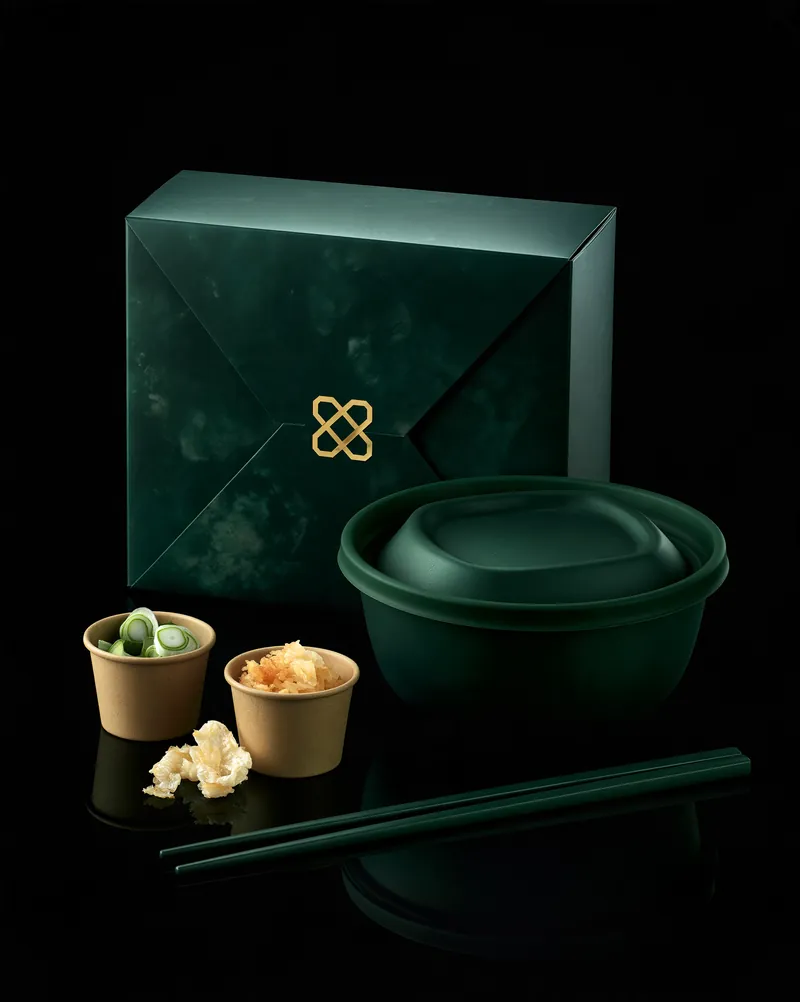
Jade Noodle launches in high-quality generic delivery packaging: securely closed, vented where needed, leak-resistant and without unnecessary plastic. No custom packaging or Sous Chef stickers are required at launch. The photograph shows the branded packaging direction.